
Baking as an Everyday Ritual
Baking has a way of turning ordinary ingredients into something that feels thoughtful, comforting, and worth slowing down for.
Flour, butter, sugar, eggs, fruit, chocolate, spices, and a little patience can become far more than a finished dessert. The pleasure of baking often begins before anything reaches the oven—in preparing the workspace, measuring carefully, watching textures change, and knowing that something made by hand will soon be ready to share.
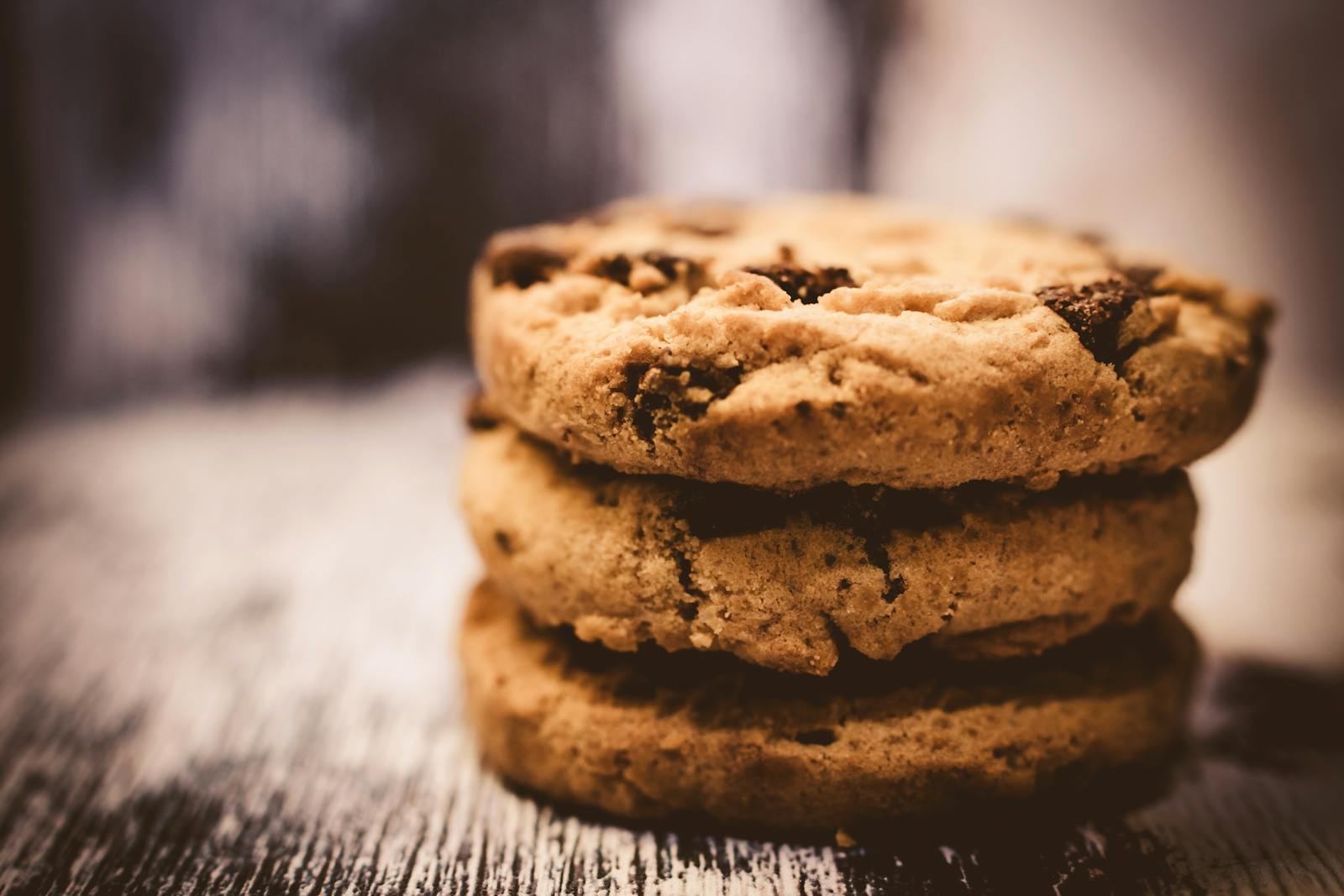
Mixing, shaping, waiting, smelling, cooling, and sharing are all part of what makes baking rewarding.
Begin With the Basics
Simple Ingredients Can Create Something Special
One of the most satisfying things about baking is how familiar pantry ingredients can become something completely different through mixing, temperature, time, and technique.
You do not need an overflowing baking cupboard to enjoy the process. A reliable collection of basics can support cookies, cakes, muffins, quick breads, pastries, and many other homemade favorites.
Flour forms the foundation of many baked goods and behaves differently depending on how it is measured, mixed, and combined.
Fats can contribute tenderness, flavor, moisture, and the texture that gives a bake its character.
Sweetness is only one role. Sugar can also influence moisture, browning, spread, and texture.
Vanilla, chocolate, fruit, citrus, spices, nuts, and other additions are where simple recipes begin to feel personal.
Create a Calm Beginning
Prepare the Kitchen Before the Mixing Starts
Baking feels easier when the kitchen is ready before ingredients begin coming together. Many recipes move through a specific sequence, and stopping halfway through to find a pan, measuring spoon, or missing ingredient can interrupt the rhythm.
Let Each Stage Matter
Respect the Sequence Without Making It Complicated
Baking rewards attention to order. Measuring, mixing, resting, shaping, baking, and cooling each contribute something to the final result.
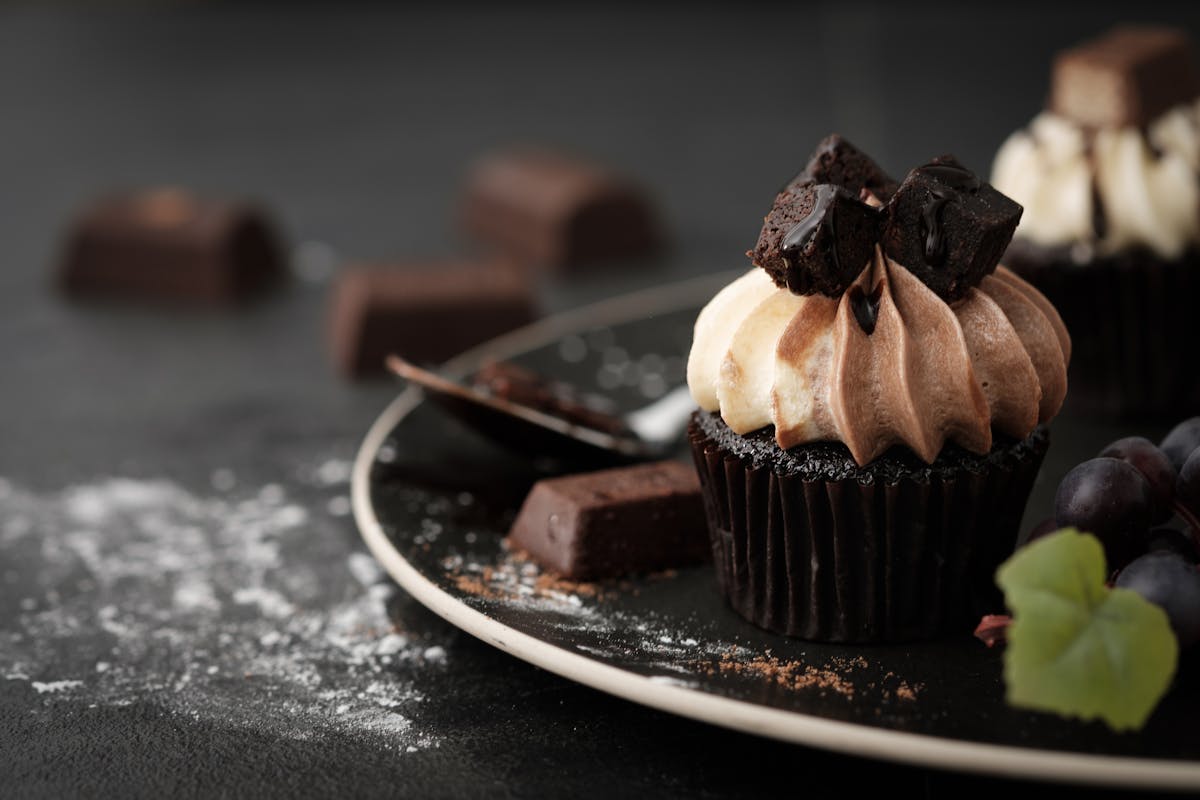
Slow Down Enough to Notice
You do not need to make baking technical or intimidating. Give the important stages enough attention and let repetition build familiarity.
- Measure ingredients before combining them.
- Mix only as much as the recipe requires.
- Pay attention to how the texture changes.
- Use resting or chilling time when the recipe calls for it.
- Allow finished bakes to cool when their structure needs time to settle.
With practice, these steps stop feeling like separate instructions and become part of a familiar rhythm.
Let Equipment Remove Friction
Use Baking Tools With a Clear Purpose
Good baking does not require a kitchen full of specialized equipment. A few dependable tools that match the kind of baking you actually enjoy can make the process much easier.
Clear measuring cups, spoons, and a kitchen scale where appropriate can make repeatable results easier.
A whisk may be perfect for one recipe, while a hand or stand mixer can make another much less demanding.
Using the intended pan size and shape helps recipes bake more evenly and supports the result the recipe was designed to create.
Cooling racks, boards, and safe resting space help baked goods finish without crowding the kitchen.
Equipment should simplify measuring, mixing, shaping, baking, or cleanup—not create another layer of complexity.
Enjoy More Than the Final Slice
Pay Attention to the Sensory Side of Baking
Baking is unusually sensory. Dough changes beneath your hands. Butter and sugar change texture as they mix. Chocolate softens. Spices become more noticeable as they warm. The kitchen slowly fills with an aroma that tells you something is nearly ready.

These small changes make the process rewarding long before the first bite. They invite attention, anticipation, and a slower pace that can make an ordinary afternoon in the kitchen feel more deliberate.
Leave Room for Imperfection
Homemade Does Not Need to Look Perfect
A slightly uneven cookie, a rustic loaf, or a cake that looks unmistakably homemade can still be deeply satisfying. Appearance matters sometimes, but it is not the only measure of a successful bake.
Each bake tells you something about temperature, timing, texture, mixing, and the ingredients you used.
Small adjustments are easier to understand than changing several parts of a recipe all at once.
Making a recipe more than once often teaches you more than constantly moving to something new.
A bake can still be worth making even when the finished result is not exactly what you pictured.
Let each attempt teach you something without allowing small imperfections to take away the pleasure of making it.
The Moment Beyond the Oven
Share What You Make
Baking has a natural way of moving beyond the person who made it. A loaf can become breakfast for the household. Cookies can be packed for someone else. A cake can mark a celebration. Muffins can turn an ordinary coffee break into something warmer.
That ability to turn something made in the kitchen into a shared moment is one of the reasons baking can feel different from an ordinary household task.
The CookMora Approach
The Joy of Baking Lives in the Making as Much as the Finished Result
Begin with familiar ingredients. Prepare the kitchen before you mix. Respect the important stages without overcomplicating them, and use tools that genuinely make the work easier. Pay attention to texture, aroma, warmth, and the small transformations happening along the way. Let imperfect results teach you something, then enjoy the best part—sharing what you made.


